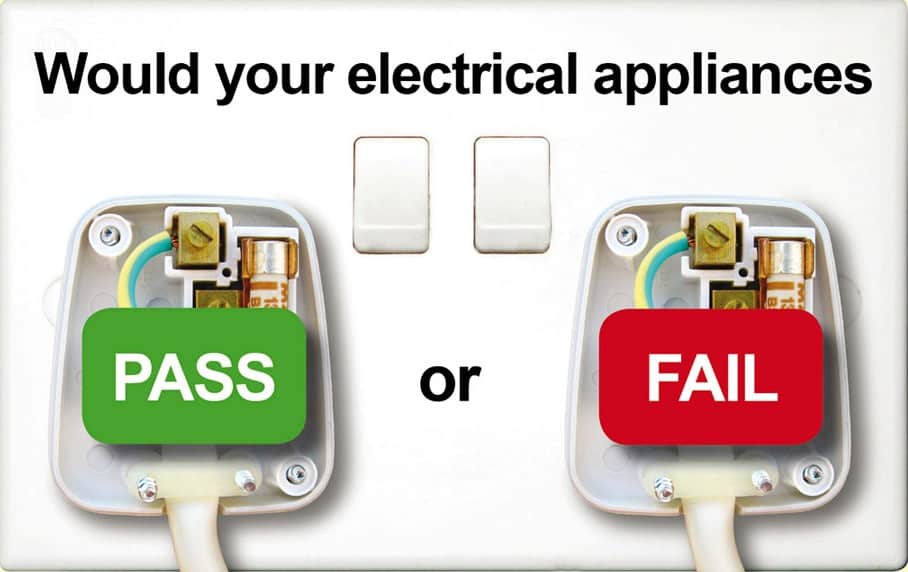
The Top 10 Things You Need To Be Aware Of Regarding Cost Transparency In PAT in East Midlands
In the UK there are significant variations in the pricing structure for Portable Appliance Testing. This is why cost transparency is a key aspect when choosing a reputable and dependable provider. PAT Testing costs vary depending on a variety of factors, such as the quantity of equipment being tested, the complexity of testing, the geographical East Midlands and level or knowledge offered by service providers. Transparent pricing is more than a simple quote for an item. It encompasses all potential ancillary costs, service level definitions, and long-term concerns. Understanding the full cost is important for those who are obligated to comply with the Electricity at Work Regulations of 1989. This will help to plan their budgets and ensure that the price does not affect the effectiveness or conformity of their testing process. A transparent service provider will be able to clearly explain what is included in its quoted cost, the additional charges and the way in which its pricing structure aligns itself with a risk-based, compliant approach to electrical safety.
1. Per-Item Pricing vs. Fixed-Price Contract Models
Pricing models for testing PAT are typically separated into two types. The model that is per item charges an agreed-upon amount for each appliance that is tested (e.g., PS1.50-PS3.50 per item), which can be cost-effective for smaller businesses that have a limited number of appliances. A fixed-price model is one that provides an annual cost for the complete service. This type of model is typically used by large corporations with several assets since it guarantees budget security. Transparent providers will be able to clearly describe the various options and suggest the most appropriate structure for the client's circumstances. They will also explain what's included in each item priced or the fixed price.
2. Prices are based upon the type of appliance and risk category in East Midlands
Competent providers do not charge one flat price for every appliance. Transparent pricing is based on different levels of risk and work related to different types of equipment. The most basic IT equipment (Class II) in an office environment typically commands the lowest price. The price of more complicated equipment that requires specialist knowledge and is hard to access, or carries a high risk (e.g., industrial machines commercial catering medical devices, or appliances that need to be dismantled). The quotation will clearly categorise and price appliances according to their level of complexity.
3. Exact Breakdown of What the Quoted Price includes in East Midlands
Transparency requires a thorough breakdown of the quoted price. This must specify the price of: visual inspections as well as all electronic testing labels for application of failed or passed, comprehensive documentation, including certification of compliance, and an in-depth report on the assets. The price must also include VAT. Some quotes are affordable, but exclude these elements. They then include them to add them as an added cost that increases the cost.
4. Additional Costs and Hidden Costs in East Midlands
A provider that is transparent will inform you in advance of the potential charges. These charges include:
Call-out fees: A minimum cost to visit a website. This is particularly relevant in situations where there are a only a few devices. in East Midlands
Mileage charges: For sites located at significant distances from the station of the engineer. in East Midlands
Re-testing charges: These are the cost of testing a device once more after having undergone repairs. in East Midlands
Charges for the production duplicate reports and certificates. in East Midlands
Out-of Hours Charge: A charge for testing performed outside of normal working hours.
These additional costs should be included in the estimate as well as the associated costs. This will help to avoid any unexpected bills.
5. Prices for Repair and Remedial Work in East Midlands
A critical area for transparency is the price of fixing faults identified in the course of testing. The pricing list provided by the service provider must be transparent and concise for the most common remedial actions like plug replacement, fuses replacement, cable repairs and so on. They should also outline how to get the consent of clients before performing any paid repairs. Some providers incorporate a simple first-line repair (like a plug replacement) into their testing price and should be clearly stated.
6. Cost implications of risk-based testing Approaches in East Midlands
Modern PAT services are based on a risk analysis, not an annual test. A transparent service provider will be able to explain the consequences of this method in terms of costs. They might recommend longer intervals in between formal tests for equipment that are not at risk (e.g. office equipment that has double insulation) as well as visual inspections. This can be an important cost-saving option in comparison to providers who insist on testing every item every year. The quotation should reflect this customized and risk-based frequency.
7. Costs for Calibration and their Application
It is the obligation of the business to pay for the annual calibration by UKAS accredited labs. A transparent supplier is capable of confirming in their quotation that they include the cost of this calibration and the equipment they use, which has been calibrated, is up-to-date. If requested, they must provide documentation of the calibration. If the cost is not enough, it could indicate that the provider is reducing quality assurance.
8. Expertise and Qualifications are of the highest value in East Midlands
The price must reflect the degree of experience. Employers who employ engineers with City & Guilds qualifications, have years of experience and are well-versed in the IET Code of Practice can cost a little more than a less experienced operative. Transparency in this context implies that the service provider has to explain the value provided by their technicians that will help them achieve an effective compliance outcome.
9. Discounts on Volume and Pricing Structures for Multiple Sites in East Midlands
Transparent providers offer clear discounts for large quantities of appliances and multiple East Midlandss to organizations. The details of this should be included in the quote. The quote should also include the discount levels and how pricing will apply consistently across all East Midlandss. This makes it easier to procure large clients and improves cost efficiency.
10. The time period for validity as well as the conditions of a price guarantee in East Midlands
In addition, complete transparency should include clear terms regarding the quotation the quotation itself. The document needs to declare its validity (normally 30-60 days) so that the client is protected from price increases. The document should also contain any price guarantees. It should also state whether the fixed price or per-item price quoted is guaranteed during the duration of the contract. This will avoid unpleasant surprises and facilitates an accurate financial plan. Follow the top rated East Midlands EICR inspections for blog tips including fire service, fire extinguisher fire, fire extinguisher in electrical fire, all about fire extinguisher, fire extinguisher for an electrical fire, electrical extinguisher, fire extinguisher in electrical fire, a fire extinguisher, fire and extinguisher, fire extinguisher for electrical fire and more..
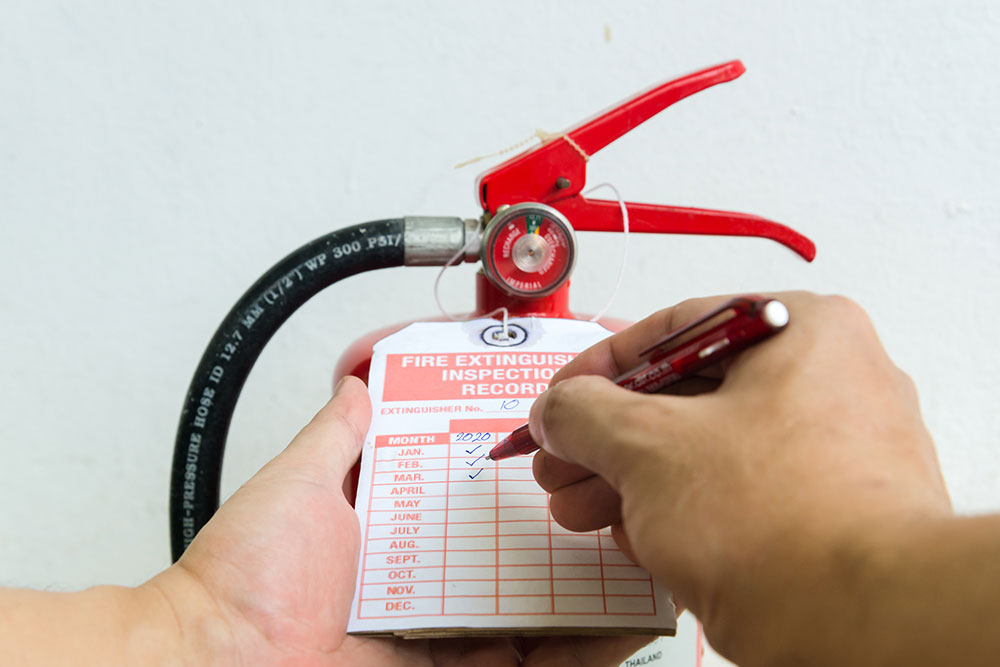
Top 10 Suggestions For Responding Times For Fire Extinguisher Servicing in East Midlands
In the context of fire safety compliance response time for service is not solely a matter for convenience, but they are also crucial to maintain constant operational and legal compliance. According to the Regulatory Reform Order (Fire Safety) 2005, firefighting equipment should be maintained in excellent working order. Any period of time where equipment is damaged, not functioning or is discharged is an infraction of duty. The capacity of a company to respond quickly to emergencies or requests for assistance has a direct impact on the risk you face. This also affects the validity of insurance and operational continuity. Slow responses can result in premises being left unprotected or disrupting operations. They also show a lack of due diligence. When you evaluate the ability of a service provider to respond, you need to consider the following aspects: different levels of service and geographical limitations as well as contractual guarantees. the capabilities inherent to operations which allow for quick and effective actions.
1. Timelines for scheduled service appointments in East Midlands
The efficacy of the service provider's routine annual service is an indicator of its efficiency. A company that is well organized will call you about 4-6 months before the expiration date on your certificate to arrange the next appointment. They should be able to offer flexible scheduling options and be in a position to confirm the date and the time of an engineer's visit. If you have to schedule more than three months ahead, this could mean that your business isn't adequately staffed, has poor resource management or is overextending itself. This could result in an eventual failure to cover certification.
2. Definitions and tiers of emergency call-out response
Reactive calls do not are of equal value. Reputable providers operate with clearly defined levels of emergency response, each with the associated time guarantee. Basic urgent requests (e.g. an issue with a defective or unresolved extinguisher), might have a response time target of between 24 and 48 hours. An emergency of high priority (e.g., several units being discharged following a small incident or a major fault discovered during an audit) is likely to trigger a rapid response, often within a matter of hours or the next day. To ensure that expectations are managed effectively, these types of categories should be clearly defined in the contract.
3. Local engineers' coverage and their availability in East Midlands
Geographical proximity is a factor which affects response time. A national corporation can enjoy an established brand however, they still depend on a regional team of engineers. Crucially, you must ascertain if they have engineers based locally to your postcode or if engineers are travelling across a large distance, which will impact both the time for emergency and scheduled response. A service that has a lot of local engineers will be more responsive and at a lower cost. Ask, "Where's your nearest engineer within our postcode?"
4. Service Level Agreements (SLAs) with guaranteed response times in East Midlands
It is essential to verify if your Service Level Agreement (SLA) promises response times. A vague guarantee to "attend promptly" is useless. A robust SLA is backed by measurable Key Performance Indicators. These contractual guarantees allow you to take action in the event that your service provider repeatedly fails in the performance of their duties.
5. Communications Protocols for Dedicated Helplines in East Midlands
Communication efficiency is crucial to speedy responses. Determine the protocol employed by the service provider to receive and process service requests. Does the company has a designated helpline for customer service or a special email address for urgent issues? Are they monitored during office hours and also outside of those hours? It is essential to select the provider that provides a direct telephone line with a coordinator. They can dispatch an engineer as quickly as possible, rather than being trapped in the general telephone queue.
6. Out-of-Hours and Weekend Support Capability in East Midlands
Incidents of fire and malfunctions will not observe the hours of 9-5. Support is crucial in highly risky environments like 24/7 manufacturing, data centers and care homes or in the event of an incident that happens outside of normal working hours. You should determine whether the provider offers a genuine 24/7 emergency call-out service or if the support offered is limited to weekday working hours. If they provide out of hours support, ask them about the charges associated and the guarantee of a response time. It can differ significantly from the SLA in the course of the day.
7. Fault Resolution vs. Initial Attendance Time
It is important to distinguish between the first reaction time (an engineering team arriving on site to look into the problem) in contrast to the period of resolution (the moment the equipment was fully repaired, replaced or complied with). A fire extinguisher could be deemed unfit promptly by a provider but it could take days for a replacement to arrive. Your SLA should address both metrics. Ideal would be that a service provider solve common issues on the first visit. For instance, replacing one extinguisher which isn't working.
8. The impact of delay in response on Compliance and Insurance in East Midlands
Knowing the consequences of slow responses is essential. Every day an extinguisher malfunctions or is not working is a day that your business is in breach of the Fire Safety Order. This could lead to the Fire Authority audit taking enforcement actions. Your insurance policy could also be dependent on your compliance with the fire safety laws. In the event of a significant delay in addressing an issue could be used by an insurer to disqualify an insurance claim in the event that there is a fire. They could argue that you failed to maintain adequate protection.
9. Manage the Provider Capacity and Workload in East Midlands
A company's ability to provide rapid response is directly related to the management of its resources. You should ask what their ratio of engineers per client and how they deal with the peaks in workloads. A company that is stretched may have engineers behind schedule for regular visits or have no capability to handle emergencies. Find out how the company can handle an emergency situation in which you have to replace several extinguishers on your site immediately. It will be evident from their answer that they're capable of an immediate, massive response.
10. Monitoring Reporting, Monitoring, and Performance Review in East Midlands
Professional service providers evaluate their performance in relation to the promises they make. They must be able to track the response time for each type of call. In addition, they should be able and willing to submit periodic performance reports, e.g. annual, which demonstrate their compliance with the SLAs set out in your contract. This transparency allows you to conduct evidence-based reviews of their services and hold them accountable for ensuring they meet the highest standards to meet your fire safety requirements. Read the most popular fire protection in East Midlands for blog advice including extinguisher inspections, a fire extinguisher, fire service, extinguisher inspections, fire extinguisher in electrical fire, fire extinguisher service East Midlands, extinguisher company, extinguisher inspections, fire extinguisher inspections, fire extinguisher testing and more. More broadly, have a look at the most popular electrical equipment testing for more.