
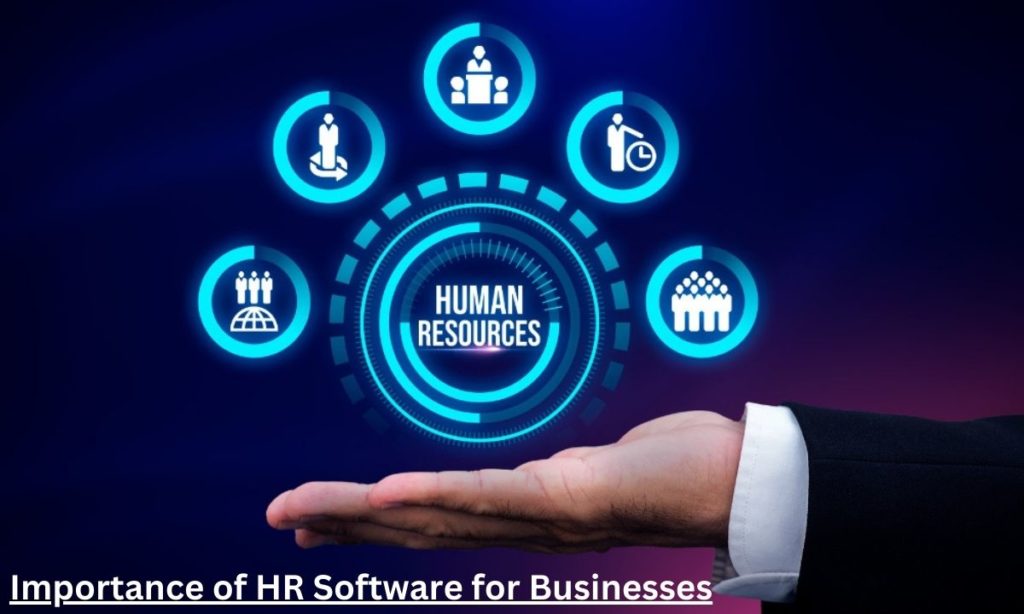
In today’s fast-paced and ever-evolving business environment, the role of Human Resources (HR) has transcended from just administrative tasks to a more strategic function that directly impacts an organization’s overall success. At the heart of efficient HR management lies an HR system—a technology-driven platform designed to streamline, automate, and optimize various HR processes. Let’s dive into what HR performance appraisal system are, their components, and why they are essential for modern organizations.
What is an HR System?
An HR system (Human Resources System), also known as HR software or HR management system (HRMS), is a suite of digital tools and software applications that help organizations manage their HR functions efficiently. These systems integrate a variety of tasks, including employee records management, payroll processing, recruitment, performance management, learning and development, benefits administration, and more, into one unified platform.
By automating routine HR tasks, HR systems allow HR professionals to focus on strategic initiatives like employee engagement, talent development, and organizational culture.
Key Components of an HR System
-
Core HR
The foundation of any HR system is the core HR module, which includes essential functions like employee records management, time and attendance tracking, and employee self-service portals. This module serves as a centralized database where all employee information is stored, making it easily accessible for HR teams to track and update personal details, employment history, and compliance information. -
Payroll Management
Payroll processing is one of the most critical functions of an HR system. This module automates the calculation of employee wages, deductions, taxes, and benefits, ensuring that employees are paid accurately and on time. It helps to reduce errors, ensure compliance with tax laws, and integrate with accounting systems for smooth financial operations. -
Recruitment and Onboarding
Recruitment tools in HR systems allow organizations to streamline the hiring process by automating job postings, tracking candidate applications, conducting interviews, and managing offer letters. Once an employee is hired, onboarding tools ensure a smooth transition by helping new hires complete necessary paperwork, gain access to required systems, and undergo training modules. -
Performance Management
Performance management is a critical aspect of an HR system, as it supports employee development and organizational goals. Through regular feedback, goal setting, performance reviews, and appraisal systems, this module helps organizations evaluate employee performance, provide constructive feedback, and identify areas for growth. -
Learning and Development
HR systems often include a learning management system (LMS) that helps employees access training programs, courses, and development opportunities. This promotes continuous learning and skill-building, ensuring that employees are up-to-date with the latest industry trends and organizational needs. -
Benefits Administration
Managing employee benefits such as health insurance, retirement plans, and vacation days can be complex. An HR system simplifies this by automating benefits enrollment, tracking eligibility, and helping employees make informed decisions about their benefits packages. -
Compliance and Reporting
HR systems ensure that an organization adheres to labor laws and regulations by automating compliance-related tasks. This includes tracking employee hours, ensuring non-discriminatory hiring practices, and maintaining proper documentation for audits. Additionally, HR systems generate detailed reports on key metrics like turnover rates, employee satisfaction, and training progress, helping HR managers make data-driven decisions.
Benefits of HR Systems
-
Efficiency and Time-Saving
Automating time-consuming HR tasks such as payroll processing, benefits enrollment, and performance reviews frees up valuable time for HR professionals. By eliminating manual processes and reducing human errors, HR systems significantly improve operational efficiency. -
Improved Accuracy
With HR systems handling repetitive tasks, the chances of making errors in employee data, payroll calculations, or tax filings are minimized. Automated processes also ensure that all information is updated in real-time, improving data accuracy and decision-making. -
Cost Reduction
While HR systems can require an initial investment, over time, they help organizations save costs by reducing administrative overhead, minimizing compliance risks, and enhancing employee productivity. The time saved on routine tasks allows HR teams to focus on more strategic initiatives, such as talent management and organizational development. -
Employee Satisfaction
With the self-service portals provided by many HR systems, employees can access their pay stubs, request time off, update personal information, and track benefits, all at their convenience. This increased transparency and accessibility improve overall employee satisfaction and engagement. -
Scalability
As an organization grows, managing HR tasks manually becomes increasingly complex. HR systems are scalable, meaning they can grow with the company, allowing for the smooth addition of new employees, departments, and locations.
Challenges and Considerations
While HR systems offer many advantages, there are some challenges to consider:
- Integration with Existing Systems: Ensuring that the HR system integrates seamlessly with other software, such as accounting systems, time-tracking tools, and CRM platforms, can be complex and time-consuming.
- Data Security: HR systems store sensitive employee data, including personal, financial, and health information. Protecting this data against breaches and ensuring compliance with data privacy regulations is paramount.
- User Adoption: Employees and HR staff may face a learning curve when transitioning to a new HR system. Proper training and ongoing support are critical to ensuring successful implementation and user adoption.
Conclusion
HR systems are essential tools for modern organizations looking to optimize their human resources management. By automating and integrating HR tasks, these systems enhance efficiency, reduce errors, and enable data-driven decision-making. While there are challenges in implementation, the benefits of a well-integrated HR system far outweigh the drawbacks. As businesses continue to evolve and grow, the role of HR systems will only become more critical in shaping a productive, engaged, and compliant workforce.