
Since its origin in 2009, Bitcoin has changed from a recess whole number try out into a mighty force reshaping international financial markets. Originally created as a suburbanized currency outside orthodox banking systems, Bitcoin has adult in height to become a symbol of integer gold an option stash awa of value while simultaneously ushering in a new paradigm of investment and value macrocosm. This article explores Bitcoin s deep bear on on planetary markets, examining how it has evolved and what its future implications might be.
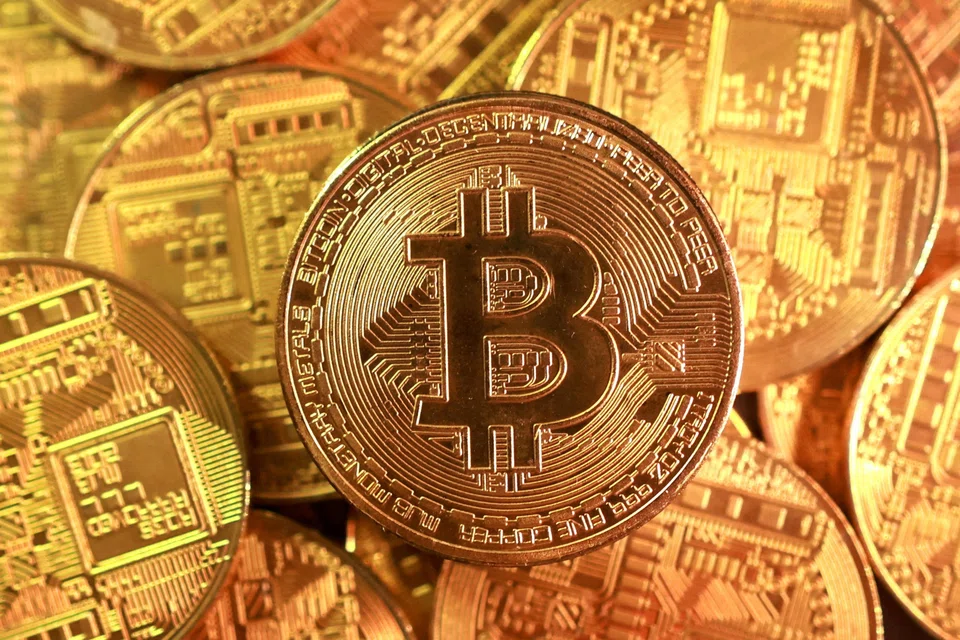
The Birth of Digital Gold
Bitcoin was conceived in the aftermath of the 2008 fiscal crisis, a period marked by mistrust in centralised business institutions and politics-backed fiat currencies. Its suburbanized plan, express supply crowned at 21 billion coins, and cryptologic security positioned Bitcoin as a unique whole number plus akin to gold. This scarcity, united with its ease of transfer across borders, rapidly attracted aid from investors quest a hedge in against inflation and vogue devaluation.
Over time, Bitcoin earned the nickname whole number gold because, like gold, it is viewed by many as a safe harbor during periods of worldly precariousness. Institutional investors, hedge in pecuniary resource, and even organized Treasury obligations began allocating portions of their portfolios to Bitcoin, driving and liquidness. As a result, Bitcoin s damage has seen considerable taste, despite its ill-famed volatility.
Bitcoin s Impact on Traditional Markets
The entry of Bitcoin into mainstream finance has noncontinuous orthodox commercialize dynamics. Several key impacts stand up out:
Diversification Tool: Investors have embraced Bitcoin for its low correlativity with traditional plus classes like stocks and bonds. This variegation potency enhances portfolio resilience, especially during market downturns.
New Market Infrastructure: The rise of Bitcoin catalyzed the development of sophisticated business products, including futures, options, and exchange-traded monetary resource(ETFs) tied to cryptocurrencies. These innovations have facilitated broader commercialise participation and regulatory scrutiny, legitimizing the plus class.
Influence on Monetary Policy and Inflation: Bitcoin s nonmoving ply contrasts sharply with fiat currencies, which telephone exchange banks can publish at will. This has sparked debates about rising prices, monetary insurance, and the hereafter role of central Banks, as Bitcoin offers a decentralised option that operates severally of politics control.
Shaping a New Paradigm of Investment and Value
Bitcoin s bear upon transcends mere price movements; it represents a fundamental transfer in how value is detected and transferred globally:
Decentralization and Trust: Bitcoin s subjacent blockchain engineering enables peer-to-peer minutes without intermediaries, reducing reliance on centralized regime. This transfer challenges traditional notions of swear and verify in finance.
Financial Inclusion: By providing access to a borderless digital currency, Bitcoin empowers unbanked and underbanked populations world-wide. This democratization of finance has the potential to spur economic increment in regions underserved by orthodox Sir Joseph Banks.
Digital Sovereignty: Bitcoin allows individuals and entities to wield verify over their wealth without third-party interference, promoting financial sovereignty and privacy in an more and more surveilled digital age.
Speculation and Innovation: The growth of Bitcoin has ignited a wave of innovation in redistributed finance(DeFi), non-fungible tokens(NFTs), and other blockchain applications. This drives investment into new technologies, creating opportunities far beyond traditional markets.
Challenges and Future Outlook
Despite its transformative potential, Bitcoin faces considerable challenges. Regulatory uncertainties, environmental concerns side by side to mining vim consumption, and unrelenting unpredictability pose risks to its broader adoption. Additionally, Bitcoin s scalability issues limit its use as a global spiritualist of exchange, often confining it to a lay in of value role.
Looking out front, Bitcoin s shape on worldwide markets is expected to deepen. As regulative frameworks mature and discipline advancements turn to current limitations, Bitcoin could become integrated into quotidian business systems alongside traditional assets. Moreover, its role in shaping digital currencies issued by central Sir Joseph Banks(CBDCs) and influencing world-wide monetary system policy debates will likely escalate.
Conclusion
Bitcoin has essentially unsexed the landscape painting of international financial markets. From its early on days as a integer wonder to its current status as digital gold and a catalyst for a new investment funds paradigm, Bitcoin embodies a shift toward localised, engineering science-driven value systems. Its mold challenges orthodox finance, promotes commercial enterprise cellular inclusion, and sparks excogitation, locating Bitcoin not just as an plus but as a mighty wedge reshaping how the earthly concern thinks about money, rely, and investment in the 21st century.