
Understanding SIM Cards: The Key to Mobile Connectivity

In today's digital age, mobile phones have become an essential part of everyday life, allowing us to stay connected with others, access the internet, and navigate through the world with ease. Behind this connectivity is a small but crucial piece of technology: the SIM card. While most people use their phones daily without giving much thought to SIM cards, understanding what they are and how they work can help us appreciate the intricate system that makes modern mobile communication possible.

What is a SIM Card?

A SIM card (Subscriber Identity Module) is a small, removable smart card that is inserted into mobile phones and other devices to provide cellular network access. The SIM card stores information that uniquely identifies the subscriber to the network, including the user's phone number, service plan, and other network-specific data. The card itself contains a microprocessor, which enables the phone to connect to the mobile network and authenticate the user’s identity.

The History of the SIM Card

The concept of the SIM card dates back to the early 1990s, with the first SIM cards being introduced by the European Telecommunications Standards Institute (ETSI) as part of the GSM (Global System for Mobile Communications) standard. Before the SIM card, mobile phones were often tied to a specific carrier, and it was difficult to switch service providers. The introduction of SIM cards allowed users to easily switch between phones and carriers by simply transferring the card, which revolutionized mobile communication.

Types of SIM Cards

Over the years, SIM cards have evolved in size and functionality. There are several types of SIM cards, and the one used in your device depends on the model and technology used. The most common types include:

  1. Standard SIM Card: The original size of the SIM card, now largely obsolete in most modern smartphones.

  2. Micro SIM Card: A smaller version of the standard SIM card, introduced to accommodate the increasingly compact designs of smartphones.

  3. Nano SIM Card: The smallest form factor, used in most modern smartphones. It is about 40% smaller than the micro SIM.

  4. eSIM (Embedded SIM): Unlike traditional SIM cards, an eSIM is embedded directly into a device and cannot be removed. It allows for greater flexibility, enabling users to switch networks without physically changing the SIM card. eSIM technology is gradually becoming more common in smartphones, tablets, and wearables.

How SIM Cards Work

A SIM card contains a small microprocessor, which communicates with the mobile phone and the carrier’s network. The key function of the SIM card is to store your International Mobile Subscriber Identity (IMSI), a unique identification number assigned to each mobile user. When you insert your SIM card into a phone and turn it on, the device communicates with the network’s base stations to authenticate your identity using the IMSI. Once authenticated, you can make calls, send texts, and access the internet, depending on your service plan.

In addition to the IMSI, a SIM card stores other information such as:

  • Authentication keys: These are used to secure communication between the device and the network.
  • Phonebook contacts: Some SIM cards allow users to store contacts directly on the card.
  • Text messages: Older SIM cards could store SMS messages, though most modern phones now store them in internal memory.
  • Service provider information: Your carrier’s network settings and preferences are often saved on the SIM.

Importance of SIM Cards

The SIM card is crucial for a number of reasons:

  1. Network Access: It allows users to access the mobile network, whether for voice calls, texts, or internet browsing.
  2. Security: The SIM card helps secure your communication by storing encryption keys and ensuring that only authorized users can access the network.
  3. Portability: By removing the SIM card and inserting it into another compatible device, users can easily switch between phones without losing their phone number or service.
  4. Global Roaming: When traveling abroad, a SIM card allows you to access local networks by either using international roaming or purchasing a local SIM card for cheaper rates.

Switching SIM Cards and Compatibility

Switching 香港數據卡 cards is generally a straightforward process. However, there are a few things to consider before swapping:

  1. SIM Lock: Some mobile phones, particularly those purchased from a specific carrier, may be locked to that carrier’s network. In such cases, the SIM card from another carrier may not work unless the device is unlocked.
  2. SIM Size: Ensure that the size of the SIM card (Standard, Micro, Nano) is compatible with your device. If not, adapters or a new SIM card may be required.
  3. eSIM Compatibility: For newer devices that support eSIM, you may need to activate it through your carrier or use a QR code provided by the network provider to switch between operators.

The Future of SIM Cards

The future of SIM cards is moving towards eSIM technology, which eliminates the need for physical SIM cards altogether. eSIMs are smaller, more flexible, and allow for multiple carrier profiles to be stored on a single device. This is particularly beneficial for travelers who may need to switch between different carriers without the need to physically change SIM cards.

With the rise of 5G technology and the increasing demand for connected devices such as wearables and IoT (Internet of Things) devices, eSIMs are expected to play an even more significant role in the future of mobile communication. They offer greater convenience and flexibility, allowing users to easily switch between different carriers or data plans with just a few taps.

Conclusion

In summary, the SIM card is a small but essential piece of technology that has revolutionized mobile communication. It serves as the gateway between your device and the mobile network, enabling you to make calls, send messages, and access the internet. Whether it's a traditional SIM card, a micro SIM, or the newer eSIM, this tiny card ensures that we remain connected in a world that thrives on instant communication. With the continued evolution of mobile technology, the SIM card’s role will likely continue to evolve, providing even more flexibility and convenience for users worldwide.
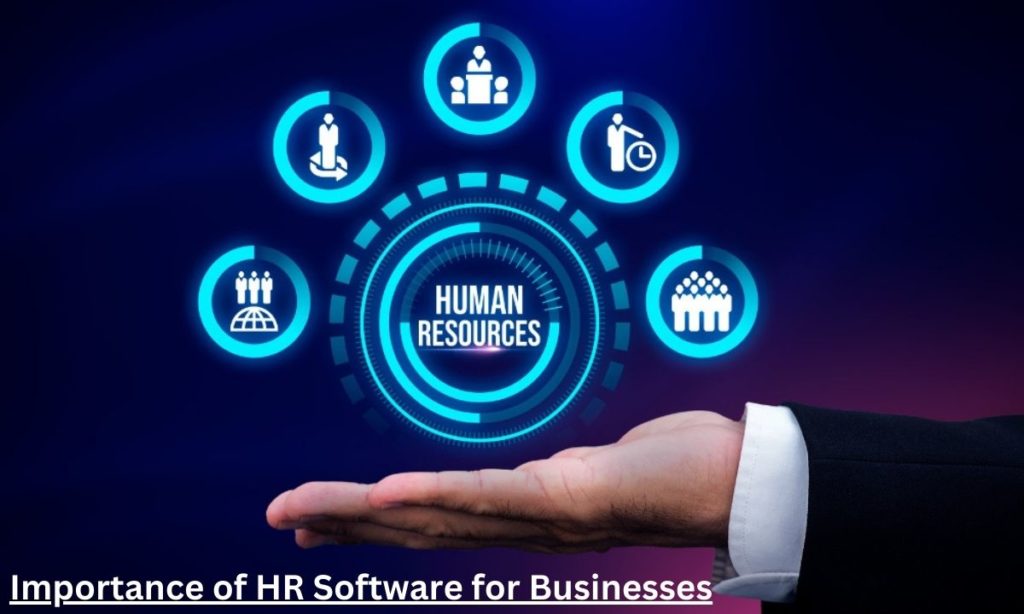
Understanding HR Systems: The Backbone of Modern Workforce Management

In today’s fast-paced and ever-evolving business environment, the role of Human Resources (HR) has transcended from just administrative tasks to a more strategic function that directly impacts an organization’s overall success. At the heart of efficient HR management lies an HR system—a technology-driven platform designed to streamline, automate, and optimize various HR processes. Let’s dive into what HR performance appraisal system are, their components, and why they are essential for modern organizations.

What is an HR System?

An HR system (Human Resources System), also known as HR software or HR management system (HRMS), is a suite of digital tools and software applications that help organizations manage their HR functions efficiently. These systems integrate a variety of tasks, including employee records management, payroll processing, recruitment, performance management, learning and development, benefits administration, and more, into one unified platform.

By automating routine HR tasks, HR systems allow HR professionals to focus on strategic initiatives like employee engagement, talent development, and organizational culture.

Key Components of an HR System

  1. Core HR

    The foundation of any HR system is the core HR module, which includes essential functions like employee records management, time and attendance tracking, and employee self-service portals. This module serves as a centralized database where all employee information is stored, making it easily accessible for HR teams to track and update personal details, employment history, and compliance information.

  2. Payroll Management

    Payroll processing is one of the most critical functions of an HR system. This module automates the calculation of employee wages, deductions, taxes, and benefits, ensuring that employees are paid accurately and on time. It helps to reduce errors, ensure compliance with tax laws, and integrate with accounting systems for smooth financial operations.

  3. Recruitment and Onboarding

    Recruitment tools in HR systems allow organizations to streamline the hiring process by automating job postings, tracking candidate applications, conducting interviews, and managing offer letters. Once an employee is hired, onboarding tools ensure a smooth transition by helping new hires complete necessary paperwork, gain access to required systems, and undergo training modules.

  4. Performance Management

    Performance management is a critical aspect of an HR system, as it supports employee development and organizational goals. Through regular feedback, goal setting, performance reviews, and appraisal systems, this module helps organizations evaluate employee performance, provide constructive feedback, and identify areas for growth.

  5. Learning and Development

    HR systems often include a learning management system (LMS) that helps employees access training programs, courses, and development opportunities. This promotes continuous learning and skill-building, ensuring that employees are up-to-date with the latest industry trends and organizational needs.

  6. Benefits Administration

    Managing employee benefits such as health insurance, retirement plans, and vacation days can be complex. An HR system simplifies this by automating benefits enrollment, tracking eligibility, and helping employees make informed decisions about their benefits packages.

  7. Compliance and Reporting

    HR systems ensure that an organization adheres to labor laws and regulations by automating compliance-related tasks. This includes tracking employee hours, ensuring non-discriminatory hiring practices, and maintaining proper documentation for audits. Additionally, HR systems generate detailed reports on key metrics like turnover rates, employee satisfaction, and training progress, helping HR managers make data-driven decisions.

Benefits of HR Systems

  1. Efficiency and Time-Saving

    Automating time-consuming HR tasks such as payroll processing, benefits enrollment, and performance reviews frees up valuable time for HR professionals. By eliminating manual processes and reducing human errors, HR systems significantly improve operational efficiency.

  2. Improved Accuracy

    With HR systems handling repetitive tasks, the chances of making errors in employee data, payroll calculations, or tax filings are minimized. Automated processes also ensure that all information is updated in real-time, improving data accuracy and decision-making.

  3. Cost Reduction

    While HR systems can require an initial investment, over time, they help organizations save costs by reducing administrative overhead, minimizing compliance risks, and enhancing employee productivity. The time saved on routine tasks allows HR teams to focus on more strategic initiatives, such as talent management and organizational development.

  4. Employee Satisfaction

    With the self-service portals provided by many HR systems, employees can access their pay stubs, request time off, update personal information, and track benefits, all at their convenience. This increased transparency and accessibility improve overall employee satisfaction and engagement.

  5. Scalability

    As an organization grows, managing HR tasks manually becomes increasingly complex. HR systems are scalable, meaning they can grow with the company, allowing for the smooth addition of new employees, departments, and locations.

Challenges and Considerations

While HR systems offer many advantages, there are some challenges to consider:

  • Integration with Existing Systems: Ensuring that the HR system integrates seamlessly with other software, such as accounting systems, time-tracking tools, and CRM platforms, can be complex and time-consuming.
  • Data Security: HR systems store sensitive employee data, including personal, financial, and health information. Protecting this data against breaches and ensuring compliance with data privacy regulations is paramount.
  • User Adoption: Employees and HR staff may face a learning curve when transitioning to a new HR system. Proper training and ongoing support are critical to ensuring successful implementation and user adoption.

Conclusion

HR systems are essential tools for modern organizations looking to optimize their human resources management. By automating and integrating HR tasks, these systems enhance efficiency, reduce errors, and enable data-driven decision-making. While there are challenges in implementation, the benefits of a well-integrated HR system far outweigh the drawbacks. As businesses continue to evolve and grow, the role of HR systems will only become more critical in shaping a productive, engaged, and compliant workforce.

The Evolution of the Online Slot: From Casino Floor to Smartphone

The rise of online casinos has made online slot games one of the most exciting and accessible forms of digital entertainment. From simple three-reel classics to elaborate video slots with cinematic graphics, online slots cater to every player’s style. Whether you’re chasing jackpots or just looking for casual fun, there’s always a slot game ready to spin.

The Basics of Online Slots

At their core, online slots are virtual machines where players spin reels filled with symbols. When these symbols land in winning combinations on a payline, you earn payouts.

Key elements include:

  • Reels – Vertical columns that spin during gameplay.

  • Paylines – Paths that determine winning symbol combinations.

  • Symbols – Regular, Wild, and Scatter icons with different functions.

  • Bonus Features – Free spins, multipliers, and interactive mini-games.

Why People Love Playing Online Slots

Online slots are popular for several reasons:

  1. No Special Skills Needed – Easy to learn and play.

  2. Massive Variety – Thousands of themes, from ancient civilizations to fantasy worlds.

  3. Exciting Rewards – Chance to win from small payouts to life-changing jackpots.

  4. Instant Access – Play anytime, anywhere on desktop or mobile.

Types of Online Slot Games

  • Classic Slots – Simple designs, usually three reels, and nostalgic gameplay.

  • Video Slots – Advanced animations, multiple paylines, and bonus features.

  • Progressive Slots – Jackpots that grow every time someone plays until it’s won.

  • Megaways Slots – Thousands of possible winning combinations in one spin.

Tips for Maximizing Your Online Slot Experience

While crypto rewards are games of chance, you can improve your enjoyment by:

  • Choosing games with a high RTP (Return to Player).

  • Setting a budget and sticking to it.

  • Using free spins and promotions to extend playtime.

  • Trying demo versions to learn a game’s features before betting real money.

Mobile Slots: Play on the Go

The majority of modern online slots are designed for mobile compatibility. This means you can enjoy smooth, high-quality gameplay on smartphones and tablets without losing any features from the desktop version.

Responsible Gambling Matters

It’s important to remember that online slots should be played for entertainment purposes. Always set time and spending limits, and never chase losses. Many online casinos provide responsible gaming tools like deposit limits and self-exclusion options.

Conclusion

The online slot has revolutionized the way people enjoy casino gaming. With endless themes, exciting bonus rounds, and the chance for big wins, it’s no wonder they’ve become a favorite among players worldwide. Play smart, enjoy the fun, and you might just spin your way to an unforgettable win.

Platform Machinery: Elevating Industry To New High


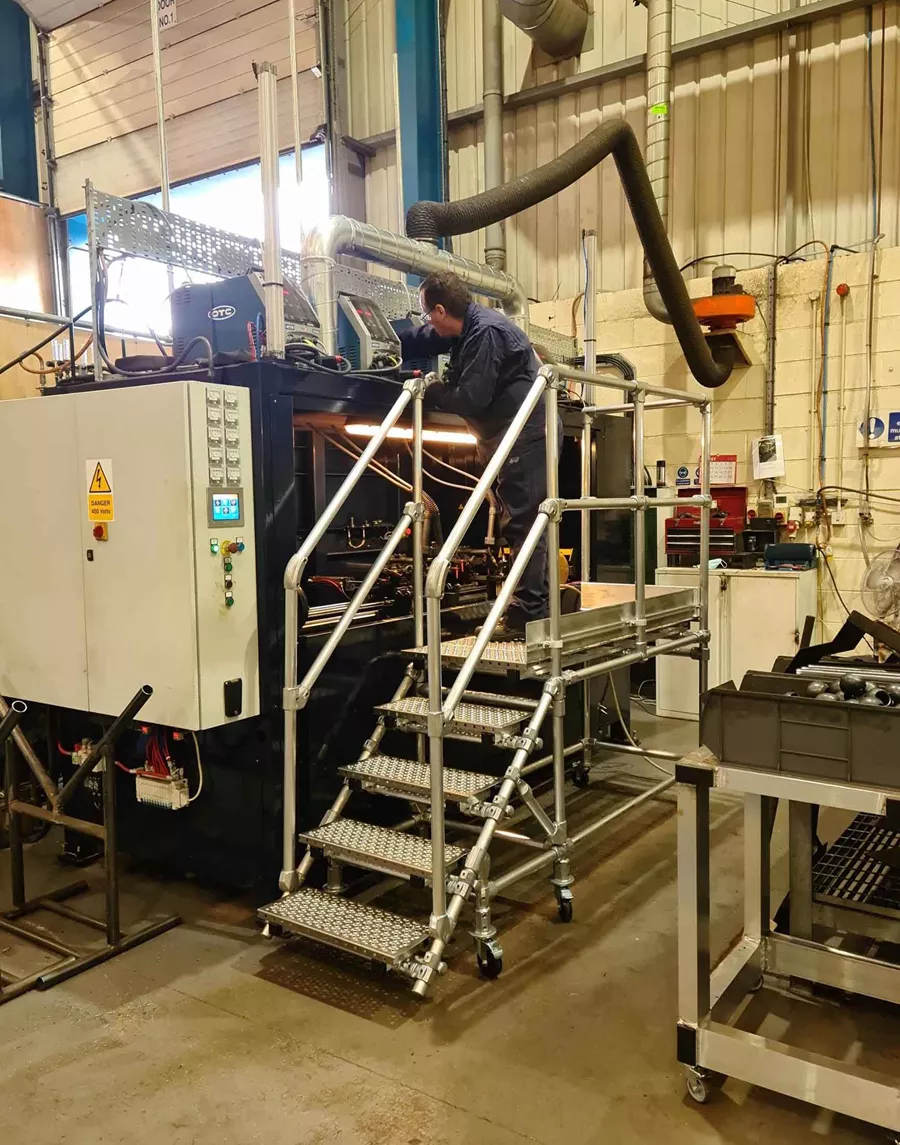
Platform machinery refers to sophisticated equipment premeditated to lift workers and materials to elevated railway positions with refuge and stability. It has become a spine of heavy-duty trading operations, replacing orthodox staging and ladders with machines engineered for precision, reliableness, and .

The Role in Construction Development

On construction sites, weapons platform 升降台租賃 has redefined how projects are delivered. From high-rise buildings to large infrastructure works, machines like scissor lifts and boom lifts allow teams to work at high firmly while delivery considerable time. This capability makes Bodoni font twist quicker, safer, and more all-mains to complex designs.

Transforming Warehousing and Logistics

Warehouses and statistical distribution centers depend on weapons platform machinery to handle the challenges of vertical storage. Elevated platforms make stocking, recovery, and sustenance unstrained, allowing businesses to keep pace with the fast increase of world e-commerce. Without these machines, coming together the demands of modern cater chains would be nearly impossible.

A Safer Way to Work at Height

Platform machinery is shapely with refuge in mind, integration features such as non-slip surfaces, guardrails, and hydraulic stabilization systems. These advancements reduce the risks of falls and accidents, which historically posed major concerns in industrial work. By providing a secure workings , the machines protect employees and safeguard business operations.

Innovation Leading the Future

The next generation of weapons platform machinery is already emerging with eco-friendly and hurt designs. Electric lifts are portion reduce emissions, while IoT-connected platforms offer real-time public presentation data and prophetic sustainment alerts. These innovations promise not only safer and greener solutions but also a more well-informed go about to industrial efficiency.

Cleaning Services: Unlocking the Power of a Tidy Space


In our bustling, often chaotic world, a clean and organized environment has become more than just a luxury—it’s a necessity. Whether it’s your home, office, or retail space, maintaining a clean atmosphere can significantly impact your mental well-being, productivity, and overall quality of life. This is where cleaning services come in, providing professional expertise to keep spaces looking pristine and inviting. But what are cleaning services, and why have they become so crucial in modern society?

Understanding Cleaning Services

Cleaning services are professional offerings designed to keep living and working spaces clean, organized, and hygienic. These services are provided by cleaning companies or independent contractors and can cater to a wide variety of environments, from homes and offices to industrial facilities. Cleaning services include everything from basic chores like dusting and mopping to more specialized tasks, such as deep cleaning, carpet care, or window washing.

As the demands of daily life grow, outsourcing cleaning tasks has become an increasingly popular solution. Many people no longer have the time or energy to dedicate to scrubbing floors and scrubbing surfaces. Instead, they turn to professional cleaners who can handle the heavy lifting, making life simpler and more enjoyable.

Types of Cleaning Services

  1. Residential Cleaning:

    Residential cleaning services are one of the most common types of cleaning solutions available. These services cater to homeowners and renters who need help with their daily cleaning chores. Whether it's a weekly cleaning, a bi-weekly touch-up, or a one-time deep clean, residential cleaning services handle tasks like vacuuming, dusting, cleaning kitchens and bathrooms, and mopping floors. For those preparing to move or deep clean after a renovation, specialized services like move-in/move-out cleaning are also available.

  2. Commercial Cleaning:

    Businesses, from small offices to large corporate spaces, also require regular cleaning to maintain professionalism and ensure hygiene. Commercial cleaning services offer more tailored solutions, such as daily cleaning schedules or after-hours maintenance, so as not to disrupt business operations. Services often include vacuuming, sanitizing desks, cleaning bathrooms, window washing, and trash removal. These services are particularly valuable in workplaces where cleanliness affects employee productivity and customer perceptions.

  3. Specialized Cleaning Services:

    There are also many cleaning services that focus on specific needs. For instance, carpet cleaning uses specialized equipment to remove stains, odors, and dirt that regular vacuuming cannot handle. Window cleaning services are ideal for high-rise buildings or homes with hard-to-reach windows. Upholstery cleaning targets furniture, removing dirt and allergens from sofas and chairs. Post-construction cleaning ensures that newly built or renovated spaces are spotless, clearing away dust, debris, and leftover materials from the building process.

  4. Eco-Friendly Cleaning:

    As awareness of environmental issues increases, many cleaning services now offer eco-friendly or green cleaning solutions. This type of cleaning avoids harmful chemicals, instead using non-toxic, biodegradable products that are safer for both the environment and the people using the space. Eco-friendly cleaning services cater to clients who want to reduce their carbon footprint and maintain a healthier, less toxic living or working environment.

  5. One-Time Cleaning Services:

    Some individuals or businesses may require a one-time cleaning, such as before or after an event, a major cleaning overhaul, or when preparing a property for sale. These services often focus on deep cleaning and attention to areas that are typically neglected, such as behind appliances, deep within carpets, or in overlooked corners.

Why Cleaning Services Are Important

  1. Enhance Health and Hygiene:

    The most obvious benefit of professional cleaning services is the improvement in hygiene. Regular cleaning helps eliminate germs, bacteria, and allergens that can contribute to illness, especially in high-traffic areas like kitchens and bathrooms. In workplaces, this can prevent the spread of illness and reduce sick days, leading to a healthier, more productive workforce.

  2. Time Savings:

    One of the primary reasons people turn to cleaning services is to free up their time. Whether you have a busy career, a family to care for, or simply want to spend your free time on other pursuits, outsourcing the cleaning allows you to enjoy your time without worrying about household chores. Rather than spending your weekends scrubbing floors, you can relax, work, or take part in activities that bring you joy.

  3. Improved Mental Well-Being:

    A cluttered or dirty space can create stress, anxiety, and mental fatigue. In contrast, a clean and organized environment promotes a sense of calm and order. Whether it’s a home, office, or public space, cleanliness fosters a positive mental attitude and can improve focus, creativity, and relaxation. Coming home to a well-maintained house or entering a tidy office can provide an immediate sense of relief and positivity.

  4. First Impressions Matter:

    A clean space makes a strong impression. For businesses, maintaining a clean office or storefront is essential for attracting clients and customers. A tidy, well-kept environment signals professionalism and reliability. Similarly, a clean home can make visitors feel welcome and provide a pleasant atmosphere for social gatherings.

  5. Boost Productivity and Efficiency:

    Clean spaces are known to improve productivity. In offices, employees are more likely to perform better in a tidy environment because it helps reduce distractions and promotes focus. In homes, having a clean and organized living space allows family members to navigate the house more efficiently and reduces time spent looking for misplaced items.

How to Choose the Right Cleaning Service

Selecting the right cleaning service can seem daunting, but knowing what to look for can help simplify the process:

  1. Assess Your Needs:

    Think about what type of cleaning services you need—regular maintenance or a one-time deep clean. Do you need specialized services, such as carpet or window cleaning? Understanding your needs will help narrow down the options.

  2. Reputation and Reviews:

    Research cleaning companies and read reviews from past clients. Look for companies with a good reputation for providing high-quality, reliable services. Word-of-mouth recommendations from friends and colleagues are also valuable.

  3. Insurance and Credentials:

    Ensure that the cleaning company you choose is insured and licensed. This protects you in case of accidents or damage during the cleaning process. A reputable company should be happy to provide proof of insurance.

  4. Transparent Pricing:

    Be sure to get a clear and upfront quote for the services. Some companies charge hourly rates, while others may provide flat rates based on the size of the space or frequency of cleaning. Compare prices between different companies to find a service that fits your budget.

  5. Eco-Friendly Options:

    If you’re environmentally conscious, ask the cleaning service about their eco-friendly practices. Many cleaning companies now offer green cleaning options that prioritize the use of non-toxic, biodegradable cleaning products.

The Future of Cleaning Services

As the world becomes more focused on health, hygiene, and environmental sustainability, the cleaning industry is poised to grow. Advances in technology, such as 寫字樓清潔 robots or smart cleaning devices, are also revolutionizing the way we think about cleaning. The demand for eco-friendly cleaning services will continue to rise as more people and businesses prioritize sustainability.

Additionally, as people spend more time at home, the need for home cleaning services will likely increase. In the commercial sector, cleaning companies are also expanding their services to address post-pandemic hygiene concerns, ensuring that spaces are safe and sanitized for employees and customers.

Conclusion

Cleaning services have become an integral part of modern life, offering convenience, health benefits, and peace of mind. Whether you are managing a busy household or a large corporation, professional cleaners provide essential support in maintaining a clean, organized, and hygienic environment. By hiring a cleaning service, you are investing in your health, time, and well-being, while also contributing to a cleaner, more inviting world around you. As cleaning standards evolve, so too will the variety and scope of services offered, ensuring that every space—be it home or office—remains a place of comfort and productivity.